Yes—aluminium is a metal. It is the element Al, atomic number 13. “Aluminum” and “aluminium” name the same element. Its low density, ability to conduct heat and electricity, and capacity to be formed into useful shapes explain its widespread industrial use. For a buyer, however, the word aluminium is only a starting point: the alloy, temper and product form determine what the supplied material can actually do.
What Makes Aluminium a Metal?
Aluminium has a metallic structure that allows electrical and thermal conduction. It is also malleable and ductile: under suitable processing conditions it can be rolled into sheet, drawn into wire or formed into extruded sections. These are material characteristics, not a guarantee that every alloy can be bent into every shape.
Pure aluminium has a density of approximately 2.70 g/cm³. This reference value helps explain why it is described as lightweight, but engineering weight calculations should use the density for the specified alloy and the actual dimensions. A light component still needs adequate section stiffness, strength and joint design.
Pure Aluminium and Aluminium Alloy Are Not the Same Specification
The element is aluminium; an aluminium alloy contains aluminium plus controlled additions of other elements. Alloying can change strength, corrosion behavior, formability and processing response. Commercial products are therefore usually ordered by a defined grade and material condition, not simply as “aluminium metal.”
| Term on an inquiry | What it tells you |
|---|---|
| Aluminium | Identifies the base material, but not its strength or acceptance limits. |
| Alloy designation | Identifies a defined composition family or grade. |
| Temper | Identifies the supplied processing condition; it is part of the material designation. |
| Sheet, bar, tube or profile | Identifies product form and helps determine the relevant standard and tolerances. |
Why the temper matters
Two pieces carrying the same alloy designation may behave differently if supplied in different tempers. A condition suitable for forming may not meet the strength required for a finished load-bearing component. Likewise, a material chosen for machining is not automatically the right choice for a tight bend. State the full designation on drawings and purchase orders.
Useful Properties—and Their Practical Limits
Low weight and conductivity
Low density is useful in transport structures, handling equipment and components that must be moved repeatedly. Thermal and electrical conductivity explain other uses, including heat-transfer parts and conductors. These applications require their own alloy, dimensions, connection design and operating limits; a general metal description is not a design specification.
Corrosion resistance
A thin oxide film forms on aluminium exposed to air and contributes to corrosion resistance. That does not make it corrosion-proof. The service environment, contact with other materials, surface finish and maintenance requirements should be assessed for the actual component. Do not assume that any aluminium grade is suitable for an unspecified chemical or marine exposure.
Recyclability
Aluminium can be recycled into new metal products. For a purchased engineering material, composition, cleanliness and traceability still matter: recycled origin is not a substitute for meeting the ordered alloy and inspection requirements. Request verified documentation if recycled content is a contractual requirement.
Match the Product Form to the Job
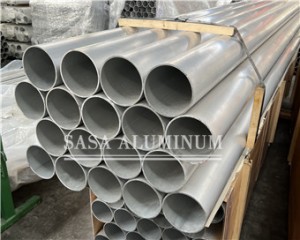
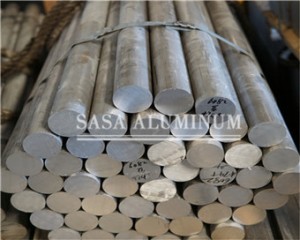
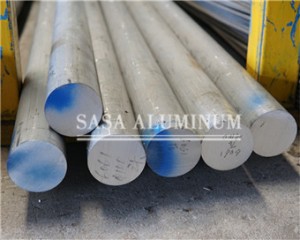
Flat panels normally begin with sheet or plate, machined cylindrical parts may begin with bar, and hollow assemblies may require tube or a specific extrusion. Product form affects the dimensional information needed for a quotation and the processing operations that follow. Choosing the form first also helps avoid comparing unlike offers.
You can review the existing aluminium pipe and tube range or aluminium bar range once the required form is known. These product links are not confirmation that an unspecified alloy or dimension is available.
What to Include in a Material Inquiry
- Alloy and full temper, or the approved material specification.
- Product form, dimensions, tolerances and quantity.
- Planned cutting, bending, machining, joining or surface finishing.
- Service environment and any mandatory inspection or traceability requirements.
- Delivery destination and any packaging requirements.
If the grade has not yet been selected, identify the application and mandatory design requirements first. A quotation can then be reviewed against a defined requirement instead of assuming that all aluminium products are interchangeable.
Discuss an Aluminium Material Requirement
Technical background: Royal Society of Chemistry—Aluminium; The Aluminum Association—Alloy Designations.
Post time: Aug-22-2023